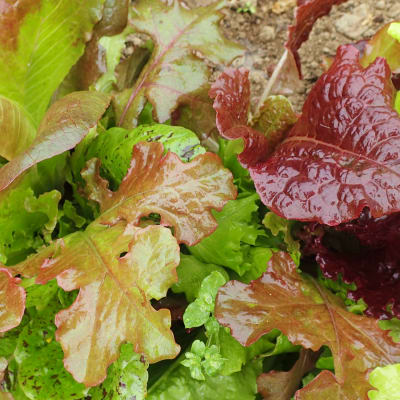
Open pollinated. Five or more kinds chosen from among arugulas, beets, chards, chervil, mustards, orachs, purslane, and kales. All organic, exact components vary.
read more
Open pollinated. Two packets: one mixed lettuces, one mixed greens. Plant lettuces first, then greens for fabulous salad mixes. Cut then water, and they grow again.
read more
Lonicera sempervirens 6–10' long. Scarlet-red and yellow flowers. Straight species. Selected for excellent blossom set and outstanding resistance to powdery mildew. Z3.
read more
Brassica oleracea (60 days) Open pollinated. This kale is a Maine celebrity! Overwinters for many and self sows with gusto. Tender all summer.
read more
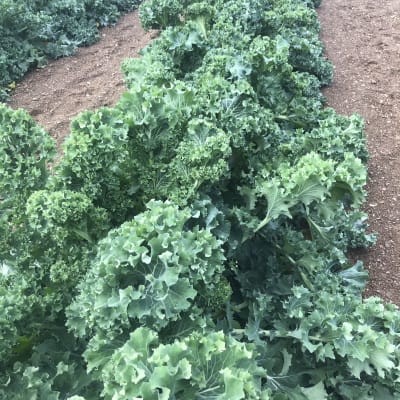
Brassica spp. (60-65 days) Try the whole gamut of kales. Shades of green, some tinged red, or with red or white veins, in a variety of leaf shapes: frilly, smooth and savoyed.
read more
Actinidia arguta Female. Also called Ananasnaya. Tangy and sweet pineapple-like taste. Heavy yields are late to ripen. Requires Meader male for pollination. Z4.
read more
Actinidia arguta Female. Medium-sized bright green fruits with excellent flavor. Very productive and reliably hardy. Requires Meader male for pollination. Z4.
read more
Actinidia arguta Fruitless male kiwi suitable for pollinating arguta females Anna, Geneva 3 and Michigan State. Will not pollinate kolomiktas. Z4.
read more
Actinidia arguta Female. Sweet and luscious kiwi, a combination of sweet and sour. Larger than other varieties. Requires Meader male for pollination. Z4.
read more
Lactuca sativa Open pollinated. Refined, fancy, pricy and rare lettuces, all suitable for cut-and-come-again culture. Contrasting colors and leaf forms and all organic!
read more
Lactuca sativa Open pollinated. Contrasting colors and leaf forms! At least a half-dozen different lettuces, all suitable for cut-and-come-again culture.
read more
Lactuca sativa Open pollinated. Blend of kinds that stand the cold, for late fall eating, for keeping under cover for winter salads, for winter survival and the earliest spring growth.
read more
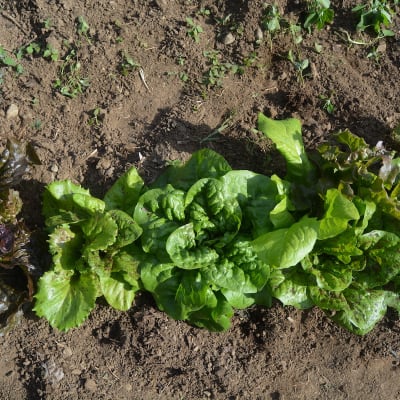
Lactuca sativa (60 days) Open pollinated. French heirloom has substance with succulence. Begins like a bibb, matures into a well-wrapped romaine. Thick tender dark green leaves. Cold hardy.
read more
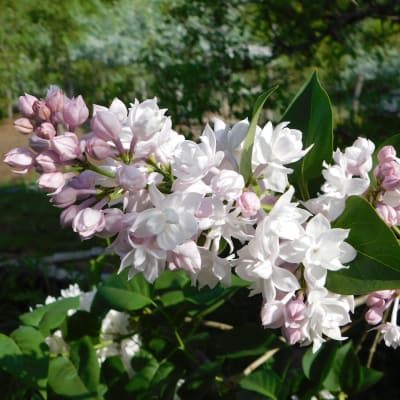
Syringa vulgaris 12x8'. Dazzling pearly lavender-pink buds open to delicate double light pink-shaded white flowers tinged with lavender. Long bloom period. Z3.
read more
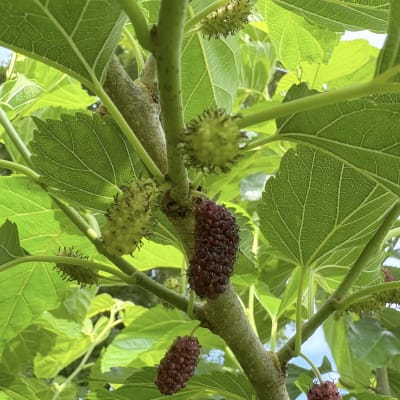
Morus hybrid 30x20' Cold hardy northern selection similar to Illinois Everbearing with larger fruit that ripens 2 weeks earlier. Very productive trees are great when you need a lot of fruit at once. Z4.
read more
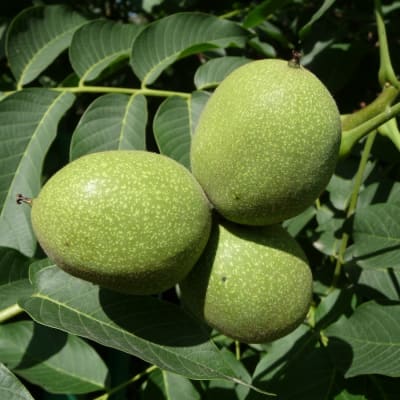
Juglans nigra 70-90'. Spectacular shade tree with open rounded crown. Nuts have sweet earthy rich flavor. May begin to bear in 5-10 years. Z4.
read more
Veronicastrum virginicum 4-6' tall. Elegant towering native plant sends up large flower spikes of densely clustered tiny white blossoms. Attracts pollinators. Z3.
read more
Heliopsis helianthoides 3–5' tall. Northeast native wildflower perfect for borders and wild places. Likes sun and heat; generally adaptable. Z3.
read more
Coix lacryma-jobi (100 days) Open pollinated. Sets pendulous sprays of globular pearly purple-grey seeds, which may be strung as beads for necklaces. Spiky 2–3' stalks good for planters or as filler in dried fall arrangements.
read more
Eryngium yuccifolium 3-6' tall. Globe-thistle-like 1" greenish-white flowerheads. Subtle honey-like scent. North american native. Great for cutflower production. Z3.
read more
Chelone glabra 2–4' tall. Native wildflower blooms late along with the asters. A final feast for the bumblebees. Prefers moist soil, dappled light. Z4.
read more
Cornus mas 20-25' x 15-20'. Bright red pear-shaped edible fruit. Each seedling will be unique. Will pollinate each other and any named cornelian cherry cultivar. Z4/5.
read more
Calycanthus floridus 6-10' x 6-12'. Beautiful native shrub with dark burgundy-maroon flowers and shiny leaves. Blooms early, flowers through summer. Highly fragrant. Z4/5.
read more
Myrica pensylvanica 5-10' x same. A common sight along Maine’s rocky shores. Fragrant glossy deep green leaves and small waxy berries. Fixes nitrogen and feeds wildlife. Z2.
read more
Prunus glandulosa 5-6' x 3-4'. An early spring spectacle of pink double flowers. Branches are nearly covered with the impressive blooms ranging all shades of pink. Z4.
read more
Rubus odoratus 3-6' x 6-12' Relative of the cultivated raspberry, with fragrant flowers and nutritious fruit. Thornless, long-blooming, attractive to pollinators. Excellent addition to wildlife hedges. Z4.
read more
Crataegus phaenopyrum 15-20' x 12-20'. Shrubby thorny low-branching dense tree. Used for centuries as a circulatory and cardiovascular tonic herb. Z4.
read more
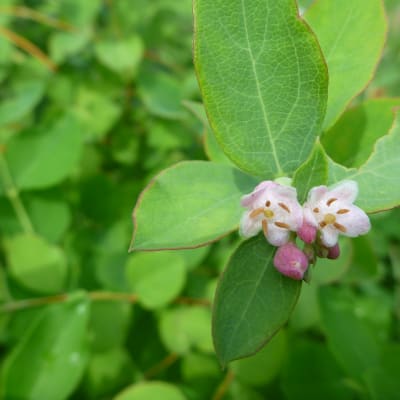
Symphoricarpos albus 5-6' x same. Wildlife and medicinal shrub native to eastern U.S. is quite beautiful all season. Berries are insipid to humans but adored by birds. Easy to grow and adaptable to most conditions. Z3.
read more
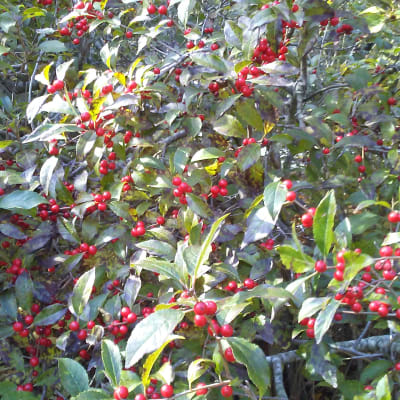
Ilex verticillata Bright-red berries stand out through the winter, providing late-spring forage for birds. A staple of the Maine landscape. Unsexed seedlings, plant several for berries. Z4.
read more
Prunus persica Mid-Late. Firm yellow flesh. Freestone. Bred for non-browning flesh quality and for good storage. Resists bacterial leaf spot. Z5.
read more
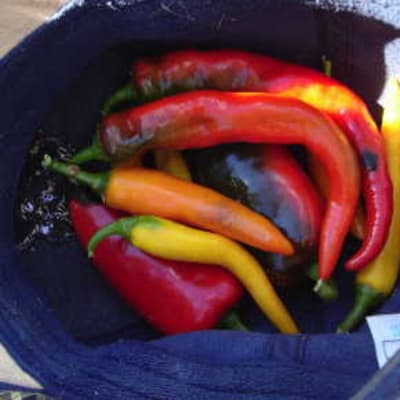
Capsicum annuum (76 days) Open pollinated. Shiny red thin-walled 8" long tapering frying pepper. Sweet mild flavor, good raw and especially fried. High yielding.
read more
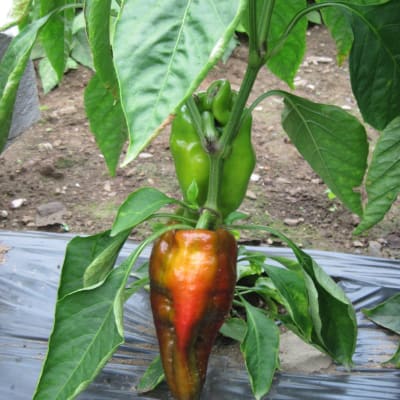
Capsicum annuum (80 days) Open pollinated. Red-orange 3x6" horn-shaped fruits taper to a blunt point. Sweet and mildly spicy; 500-1,000 Scovilles. Heirloom.
read more
Capsicum annuum (68 days) Open pollinated. Prolific yields of long tapering 2"red sweet peppers on short stocky plants. Great for cold-climate growers.
read more
Diospyros virginiana 35-60' x 20-35'. Medium-sized native tree produces edible orange fruit used in pies, jams and jelly. May not always ripen north of Boston. Plant two or more for fruit. Z4/5.
read more