Catalpa speciosa 40-60'. Dense foliage of heart-shaped leaves provides excellent shade. Incredibly fragrant jasmine-scented white blossoms. Grows rapidly. Attracts pollinators. Native to central U.S. Z4.
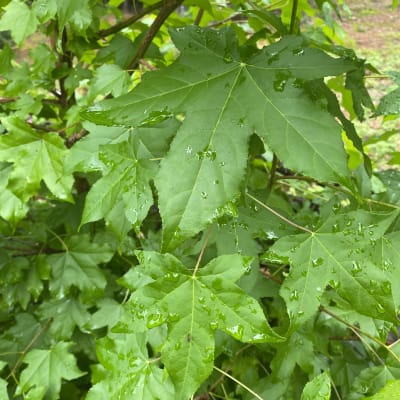
Liquidambar styraciflua 60-80' x 40-60'. Delightful star-shaped leaves and hard round prickly gumball-like “fruit”. Colorful fall display. Native from CT into Mexico. Z5.
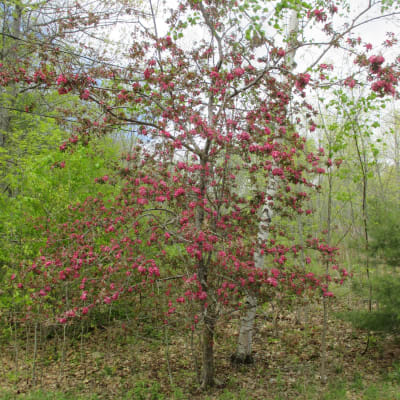
Malus spp. Winter. Uniquely dark fruit with well-balanced flavor. Excellent pies and cider. Maine heirloom. Best eating late Dec. to March. Great keeper. Z4.
Malus spp. Fall-winter. Medium-large, slightly tart, crisp and juicy. Thomas Jefferson’s favorite. Good acid source for cider. All-purpose. Good keeper. Z4.
Malus spp. Early fall. Also called Snow. Ruby-red fruit with tender white flesh. Excellent fresh eating, sauce and fresh cider. Keeps until late December. Z3.
Malus spp. Early fall. Very high-quality and highly disease-resistant all-purpose apple. Juicy, firm, spicy flesh. Ripens early October, keeps until New Year. Productive and annually bearing. Z4.
Malus spp. Summer. The standard Maine summer cooking apple, especially pies. Medium-sized dark red fruit. Juicy subacid white flesh tinged with red. Z3.
Actinidia arguta Female. Also called Ananasnaya. Tangy and sweet pineapple-like taste. Heavy yields are late to ripen. Requires Meader male for pollination. Z4.
Malus spp.This is a twig for grafting. Fall. The most important apple in the Northeast. Delicious and aromatic. All-purpose. Annual bearer. Very susceptible to scab. Z4.
Malus spp. Fall. High-quality bittersweet variety recommended for blending with other fall varieties. Soft astringent tannins. Narrow upright tree form. Becoming popular commercially in New England. Z4.
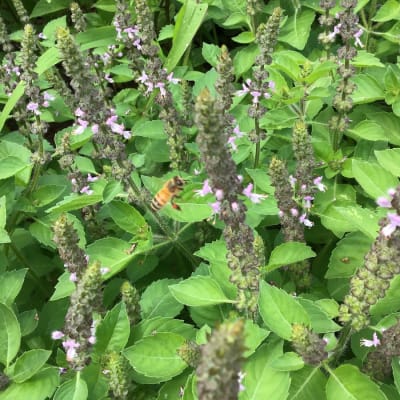
Ocimum tenuiflorum (100 days) Open pollinated. A superior strain of Tulsi or Sacred basil, with a more compact growth habit and more pungent sweet flavor.
Vaccinium corymbosum Mid-Late. 5-6'. Dense clusters of large fruit with exquisite balanced sweet and tart flavor. Stores well in refrigeration. Large vigorous upright shrub. Z4.
Lorimer profiles 235 native plants, describing their growing needs and habits, wildlife value and native habitat, with gorgeous color photos to emphasize the unique beauty of each species.
Full of inspiration and practical advice for gardeners and professional growers. Contains lunar and astronomical charts correlated with planting data, along with interesting articles and essays.
Metasequoia glyptostroboides 100'. A spectacular ornamental tree! Wide trunk with iridescent golden-orange bark and bright green deciduous needles turn orange in the fall. Highly adaptable. Z4.
Solanum melongena (64 days in unheated tunnel, 72 days open field) F-1 hybrid. Slightly curved 8" extended-teardrop shape covered with purple and lavender streaks with emanations of ivory and light pink.
Brassica napus (pabularia group) (55 days) Open pollinated. Cold hardy 18-28" purple and red-veined kale leaves grow frilly while remaining very tender. Good for bunches and mesclun mixes.
Brassica napus (pabularia group) (55 days) Open pollinated. Cold hardy 18-28" purple and red-veined kale leaves grow frilly while remaining very tender. Good for bunches and mesclun mixes.
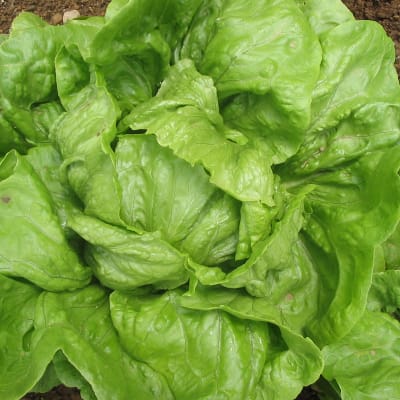
Lactuca sativa (72 days) Open pollinated. Slow-growing compact dark green Batavian with crisp outer leaves surrounding a round tightly-packed heart. Excellent heat tolerance.
Astrantia 24-28". Clump-forming perennial makes an excellent groundcover when planted en masse. Makes long-lasting cutflowers and is also a great container plant. Z4.
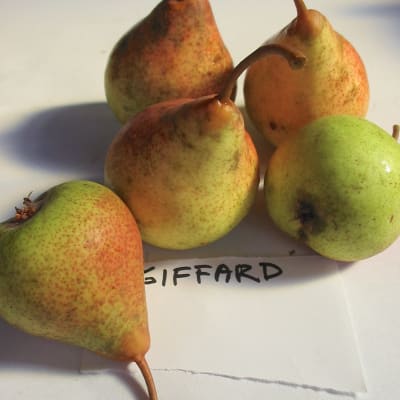
Pyrus communisThis is a twig for grafting. Summer. Medium-sized fruit with buttery aromatic juicy flesh. Grower Mark Fulford says it’s the “most like nectar” of the 40 varieties he’s grown. Keeps for a month. Z4.