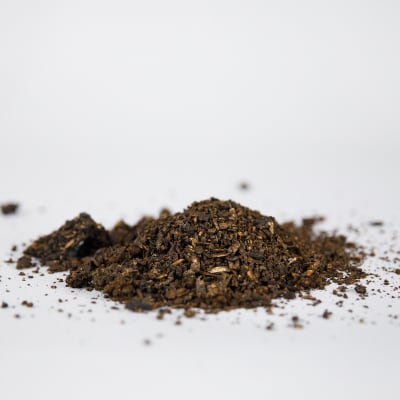
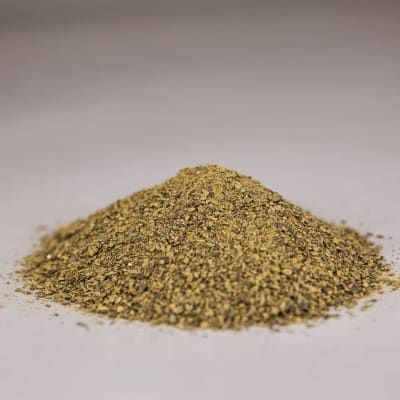
Biochar helps your soil sequester more carbon and emit less nitrous oxide. Also provides a dream home for beneficial bacteria and fungi, while preventing essential nutrients from leaching away.
Soil conditioner for flower & vegetable gardens. Blend of compost, peat, aged bark, lobster and crab meala. Rich in micronutrients. Ideal for flower and vegetable beds.
This top-quality compost has strong nitrogen levels and sky-high organic matter. Use as a top-dressing, mix into garden soil, or apply around the trees. Made in Sidney, Maine.
A great boost for transplants, potted plants and garden soils. Improves soil structure, provides a generous dose of slowly released nutrients and enhances microbial activity.
NPK: 3-3.5-3.5 avg. plus sulfur. With 3G Greener Garlic Grower, you can expect better spring emergence, more vigorous plants, bigger bulbs and richer flavor. Blended in-house.
Formulated to build humus, enhance CEC, and condition the soil in which the ancient roots reside, whether they be abandoned heirlooms or wild seedlings. Can be applied in fall or spring.
A blend of granite meal, sulfur, Tennessee brown rock phosphate, compost and Azomite. Reduces soil pH and provides the nutrients necessary for healthy blueberry plants and good fruit.
This fertilizer and amendment mix includes all the goods contained in our well-loved CannaLot MegaSoil, minus the compost and potting soil. Great for plants grown in the ground, and cheaper to ship!
For a deluxe tree planting spot, choose this mix! Contains a broad spectrum of macro and micronutrients and soil conditioners that fruit trees thrive on. Follow our directions for use in the fall.
A balanced fertilizer to keep your bearing fruit trees healthy and productive. If your tree put on 4" or less of terminal growth last year, our Fruition Mix will put new spring in its step!
Recommended for fruit trees at planting time. Our own well-balanced blend of Tennessee brown phosphate, alfalfa meal, Azomite, and K-Mag in a humus-rich base of worm castings.
NPK: 2.3-6.6-7. Our exclusive mix will help you grow mighty spears of asparagus. Formulated to meet Penn State Extension’s recommendations for the annual fertilization of asparagus beds.
Spread this blend of granite, zeolites, gypsum, micronutrients and humates in that fall, and it will improve soil structure, remineralize, and enhance nutrient availability for the next spring!
NPK: 3-4-6.1 By popular demand! A Fedco Blend formulated to meet the needs of field-grown (outdoor) fruiting Solanaceous crops: tomatoes, peppers, eggplants and tomatillos.
NPK: 2.5-6-3. Show your flowers you appreciate them by treating them to dinner now and then. This mix is formulated to feed both soil and plant to encourage healthy foliage and lush, colorful blooms.
NPK: 3.4-2.2-3.5. An excellent all-purpose fertilizer for those who prefer to avoid animal products. Great for flower bulbs because it won’t attract critters.
NPK: 2-5-0.2. Fish heads, bones, skin and guts finely ground and then enzymatically digested. Can be used as foliar feed. Made from wild fish scraps from the fishing industry along the Great Lakes.
NPK: 2-5-0.2. All the NPK of fish, along with the micronutrients and growth hormones of kelp. Encourages vigorous rooting. Improves plant vigor and stress resistance, increases storage life of produce
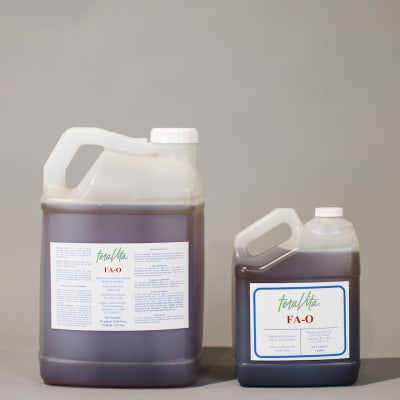
Fulvic acid is a powerful antioxidant and chelator: one molecule can transport 60 or more minerals into plant cells for a more efficient and effective fertilization program
Molasses is a source of important nutrients, including manganese, magnesium, copper, potassium and calcium. Food grade, shelf stable. Plants and beneficial microbes have a sweet tooth, too!
Humic acids perform many complex functions. They neutralize soil pH, prevent leaching of trace minerals, stimulate growth of foliage and roots significantly, and much, much, more!
Calcium helps strengthen plants’ cell walls, improving crop quality, disease resistance and storage capacity. Can help prevent problems like blossom end rot and bitter pit.
Copper is necessary for efficient photosynthesis and respiration and affects the sugar content and flavor of produce. Contains 4% chelated copper derived from copper sulfate.
Iron is essential for chlorophyll development and function, and is also involved in nitrogen fixation by legumes. Contains 5% chelated iron derived from ferrous sulfate.
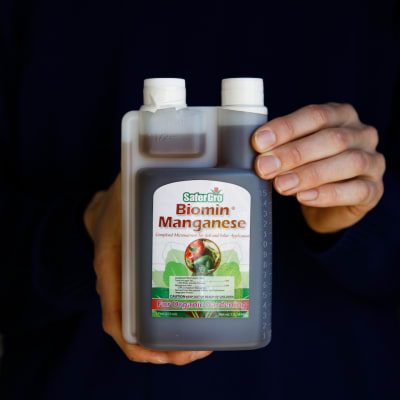
Manganese helps plants to synthesize chlorophyll and is used in electron transport during photosynthesis. Contains 1% nitrogen from vegetable protein and 5% chelated manganese.
Zinc is a component of auxin, an essential growth hormone, and is also necessary for proper root development. Improves cold tolerance. Contains 7% zinc derived from zinc sulfate.
NPK: 4-4-0.5. Contains fish hydrolysate, kelp extract, humic and fulvic acids, and a dash of chilean nitrate to boost the nitrogen levels for rapid vegetative growth.
Soluble borate for fluid fertilizers and nutrient sprays. Boron is essential for all stages of tree growth and fruit set. Powder mixes easily in any spray solution.
Contains about 5% potassium in very slow-release form. Can be added to the soil in large amounts without altering the pH. Greatly enhances soil structure and promotes healthier plants.
A powerful soil restoration amendment! Supports plant health and increases yields by facilitating roots’ uptake of plant nutrients and water. Improves levels of carbon and humus.
For soil: excellent source of naturally chelated elements, enzymes, and amino acids. For livestock: excellent source of iodine, vitamin A and dozens of other vitamins and trace minerals.
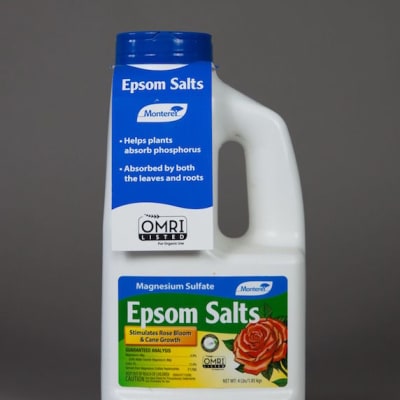
Magnesium is a building block of chlorophyll and therefore essential to efficient photosynthesis. May boost yields significantly, especially for roses and tomatoes.
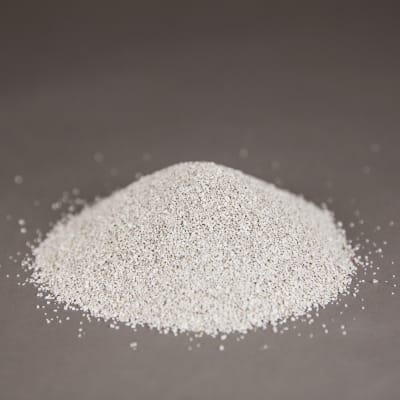
Zeolites can improve the productivity of any texture of soil, improving water and mineral retention in sandy soils and improving aeration and minimizing compaction in heavier soils.
From oyster shells, not pulverized rock. Aragonite is even lower than calcitic lime in magnesium, so it's the ideal choice for soils with excessive magnesium.
Agricultural Sulfur. Use to make soil pH more acidic. Often helpful for both lowbush and highbush blueberries, and for potatoes. Lowering the pH of gravel paths will help control weed growth.
Silicon is linked to improved yields, especially recommended for cannabis, orchard crops, cucurbits, sweet corn, grains and forage crops. Also helps build resistance to powdery mildew.
NPK: 4.6-0.9-1.3 avg. A favorite of earthworms and other beneficial soil organisms, and inhibits the growth of some notorious pathogenic soil microbes. Beloved by hemp and cannabis growers.
NPK: 6-1-3 avg. Rich in the basic nutrients, nitrogen, phosphorus and potassium, it makes an excellent fertilizer and soil additive. Can help suppress fusarium infestations.
Loading...
Soil Amendments and Fertilizers
Thriving sustainable agriculture is built on the ground of a healthy soil. In fact, organic certification requires a soil management plan. Do a soil test to determine your soil’s needs before embarking on a program of soil improvement. Check with your local Cooperative Extension for testing in your area, or consider our soil testing and recommendation service.
Soil amendments used with a program of crop rotation, composting and cover cropping can enhance fertility, improve soil tilth, promote disease resistance, support beneficial soil microorganisms, and even help restore balance to the garden and the world around it. Application rates vary depending on soil type and results of soil tests.
Fertilizers provide nitrogen and other nutrients in a form that is readily available to plants. Organic fertilizers can provide both an immediate boost and additional long-term fertility, feeding both the plants and the organisms that maintain soil health. We also offer soil amendments that have limited available plant nutrients but help to remineralize the soil, improve soil structure, or provide a long-term slow-release source of plant nutrients. Foliar sprays get nutrients directly to the leaves and can increase resistance to disease and to insect infestation.
Analyses provided here are those provided by the manufacturers, or, if none are available, from a Maine state lab test performed on our most recent lot: there is some variability in the nutritional analysis of natural fertilizers, so view these numbers as guides, not gospel. Fertilizers should be used as a supplement to, not a replacement for, the nutrients provided by healthy soil. Sustainability requires developing a long-term plan of cover-cropping, green manuring and composting.